How Long Does Planning Permission Take? 2026 Guide
Updated: Sep 16
Table of Contents
The Statutory 8-Week Limit vs. Real-World Timelines
Planning Permission Application Process: Step-by-Step
Validation and the Role of Your Local Planning Authority
Public Consultation and Site Notices
Why Some Applications Take Longer Than 8 Weeks
Household Applications vs. Major Development
The Pre-Application Advice Benefits You Shouldn't Skip
How to Speed Up Planning Permission: A Practical Checklist
Tracking Your Application and Responding to Queries
Conclusion: Plan for 12 Weeks, Not 8
Frequently Asked Questions
Last Updated: September 8, 2026
The Statutory 8-Week Limit vs. Real-World Timelines
The official answer to how long does planning permission take is eight weeks, but that figure rarely reflects what homeowners actually experience. Under UK law, local planning authorities must determine most household applications within a statutory time limit of eight weeks, while major development projects receive a longer 13-week determination period. Planning permission is the formal approval from your local planning authority confirming that your proposed building work complies with the development plan and material considerations for your area.
The gap between the statutory limit and real-world timelines has widened considerably in recent years. Many councils now operate with significant backlogs, meaning applications that should be decided within eight weeks can stretch to ten, twelve, or even sixteen weeks. At Sd Architecture, we advise clients to plan for a realistic timeline that accounts for potential delays. Building in a buffer prevents disappointment and keeps your project on track from day one.
But rather than relying on anecdotal averages, you can check exactly how your own council is performing before you even submit. Every local planning authority in England publishes a quarterly performance report on its website, typically under a 'Planning performance' or 'Planning statistics' page. This data shows the percentage of household applications determined within the eight-week target. A council performing at 90% or above is moving quickly; one sitting at 60% or below is clearly struggling with capacity.
You can also compare your council against the national picture. The Ministry of Housing, Communities and Local Government publishes quarterly statistics on planning application determination times across all English authorities. The most recent data shows that the national average for major applications is around 60% determined within the statutory period, while household applications fare better but still fall short of 100% in most areas. Wales, Scotland, and Northern Ireland each have their own reporting mechanisms, but the principle is the same: the data exists, and it is public.
A more granular approach is to look at your council's most recent planning committee agenda. These documents, published a week before each meeting, list applications that have exceeded their statutory deadline and are being brought to committee for a decision. If you see a pattern of extensions and late determinations in your area, that is a strong signal that your own application will likely run over the eight-week mark.
Pro Tip Before you submit, search your council's website for 'planning performance' or 'determination times'. If the data is hard to find, email your planning department and ask for the latest quarterly figures. A council that cannot produce this data on request is probably not tracking it closely.

Understanding the local backlog is not just about managing expectations. It also affects your strategy. If your council is running at 60% compliance, you know that an application requiring committee scrutiny will almost certainly exceed the statutory limit. In that scenario, you might agree to an extension of time early in the process, which gives the planning officer breathing room to work towards a positive recommendation rather than rushing a refusal to meet the deadline.
Planning Permission Application Process: Step-by-Step
The planning permission application process follows a structured sequence that most applicants move through without fully understanding what happens at each stage. Knowing the full picture before you submit helps you anticipate delays rather than react to them.
Submit your application through the Planning Portal with all required drawings, forms, and the application fee
Receive validation from your local planning authority confirming your submission is complete
Public consultation opens, including site notices and neighbour notifications
Statutory consultees review your application and provide comments
The planning officer assesses your application against the development plan
A decision is issued, either under delegated powers or by the planning committee
Each stage carries its own timeline, and the validation process alone can consume a week or more if your initial submission has gaps. According to guidance from the Planning Portal's application guidance, incomplete applications are returned or placed on hold, which resets the clock entirely.
Validation and the Role of Your Local Planning Authority
Validation is where many applications stall before they even enter the determination period. Your local planning authority checks that your submission includes every required document, from the correct application form to scaled drawings and the accurate application fee. Missing a single document means your application sits in limbo until you provide it, and the eight-week clock only starts once validation is confirmed.
Public Consultation and Site Notices
Once validated, your application enters the consultation phase. Your local planning authority displays a site notice, notifies neighbours in writing, and consults statutory consultees such as the highway authority and environmental health. This period typically runs for 21 days, and any objections raised during this window must be considered by the planning officer before a decision is made.
Why Some Applications Take Longer Than 8 Weeks
The most common reason applications exceed the statutory limit is objection volume and complexity. When neighbours raise concerns about privacy, overshadowing, or design, the planning officer must weigh those objections against material considerations before reaching a decision.
Applications that receive multiple objections often escalate from delegated powers to the planning committee, where elected councillors debate the proposal in a public meeting. Committee scheduling can add several weeks to your timeline, and the outcome becomes less predictable than a straightforward officer decision.
Household Applications vs. Major Development
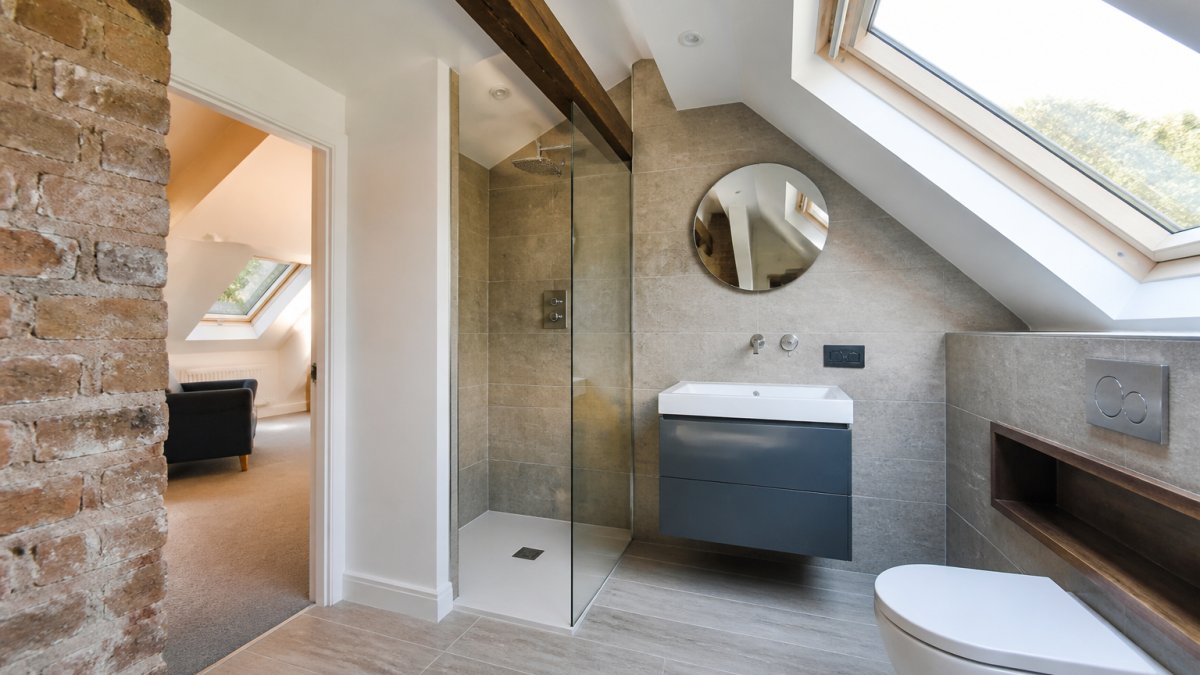
The scale of your project directly shapes how long the process takes. Household applications, covering extensions, loft conversions, and domestic alterations, receive the eight-week statutory determination period. Major development, which includes larger housing schemes and commercial projects, operates under a 13-week limit due to the additional technical assessments and consultations required.
The UK government's planning practice guidance confirms these statutory periods, but also notes that councils can agree extensions of time with applicants. While an extension of time agreement sounds like a setback, it is sometimes the pragmatic choice when a council is close to making a positive decision but needs more time to resolve technical details consent matters.
The Pre-Application Advice Benefits You Shouldn't Skip
Most homeowners skip pre-application advice because it feels like an unnecessary delay before the real process begins. That instinct is understandable but costly. Pre-application advice is a formal consultation with your local planning authority before you submit, giving you an early indication of whether your proposal is likely to succeed and what changes might be required.
The planning permission benefits of this step are substantial. You learn about planning policy constraints, conservation area restrictions, and potential neighbour objections before you spend money on detailed drawings. You also build a relationship with the case officer who will later assess your application, which smooths communication throughout the process.
A common mistake is treating pre-application advice as optional when your project sits in a sensitive location. If your property is in a conservation area, has unusual access, or involves a significant extension, the advice you receive can save months of resubmission later.
How to Speed Up Planning Permission: A Practical Checklist
You cannot control your council's workload, but you can control how well-prepared your application is. A complete, well-presented submission is the single most reliable way to keep your application moving through the system without avoidable delays.
Check whether your project needs planning permission or falls under permitted development rights
Review your property's planning history for previous approvals or refusals
Commission accurate, scaled drawings that show the proposal in context
Include a design and access statement where your council requires one
Address potential neighbour concerns before submission through informal discussion
Confirm the correct application fee before you submit
Submit digitally through the Planning Portal for faster processing
Respond to any validation queries within 48 hours
Application Type | Statutory Limit | Common Real-World Duration | Best Preparation |
Household extension | 8 weeks | 10-14 weeks | Full drawings, neighbour engagement |
Loft conversion | 8 weeks | 8-12 weeks | Permitted development check first |
Major development | 13 weeks | 16-26 weeks | Pre-application advice essential |
Tracking Your Application and Responding to Queries
Once your application is validated, you can track its progress through the Planning Portal and your local planning authority's website. Most councils provide an online planning register showing consultee comments, objection letters, and the status of your case. Checking this register weekly keeps you informed without needing to contact the council directly.
But there is a more precise way to monitor your application: the Public Access portal. Nearly every council in the UK runs this system, and it is the same backend database that planning officers use internally. When you receive your validation letter, it will contain a reference number such as '24/01234/HOU'. Enter that number into your council's Public Access search page, and you will see a case file with every document, comment, and internal note attached to your application.
The key is understanding what each status change means. When your application shows 'Registered', it has been logged but not yet validated. 'Validated' means the eight-week clock has started. 'Target date' is the date eight weeks from validation. 'Committee date' appears only if your application is being escalated. When the status changes to 'Decision Made', the decision notice is usually uploaded within 24 hours.
Public Access also reveals consultee comments as they arrive. Statutory consultees such as the highway authority, environmental health, and the local drainage board submit their responses through this system. If you see that the highway authority has not responded two weeks before your target date, that is a red flag. Planning officers often wait for consultee responses before writing their recommendation, and a silent consultee can stall a decision well past the statutory deadline.
You can also see exactly when neighbour objections are uploaded. Objections typically arrive in the first week of the 21-day consultation window, but late objections can appear right up to the decision date. If you notice a pattern of objections raising the same issue, you can proactively address it by submitting a short statement through the Planning Portal explaining how your design already mitigates that concern. This pre-emptive response gives the planning officer material to cite in their report when they recommend approval despite objections.
Watch Out Public Access portals are updated manually by council staff. A status that has not changed for two weeks does not necessarily mean nothing is happening. If you are concerned, send a brief email to your case officer asking for a progress update. Keep it professional and specific: reference your application number and ask whether any consultee responses are outstanding.
When a planning officer or case officer contacts you with queries, respond promptly and completely. Every day you delay a response extends the overall timeline, and officers appreciate applicants who make their job straightforward. If your application faces significant objections, consider whether a minor design amendment could resolve the concerns without requiring a full resubmission.
GOV.UK's guidance on planning permission and appeals explains your right to appeal if your application is refused or if the council fails to determine it within the statutory period. A planning appeal can extend your project timeline by months, which is why getting the initial application right matters so much.
Conclusion: Plan for 12 Weeks, Not 8
The honest answer to how long does planning permission take is that you should budget for twelve weeks from submission to decision, even though the statutory limit is eight. That buffer accounts for validation delays, consultation periods, and the occasional query from your planning officer. Projects that sail through in six weeks are a pleasant surprise, not a reasonable expectation.
Preparation is the only factor you fully control. A complete application with accurate drawings, thoughtful neighbour engagement, and a realistic understanding of your local planning policy gives your project the best chance of a smooth determination. At Sd Architecture, we offer comprehensive support from initial concepts and planning permissions to building regulations and turn-key project delivery. Our hands-on approach includes site supervision and meticulous paperwork management, ensuring a seamless and transparent experience.
Frequently Asked Questions
Can you speed up planning permission?
Yes, in several ways. The most effective is to book pre-application advice with your local planning authority (LPA) before submitting. This flags potential policy conflicts early. Ensure your application is complete and validated first time, as the 8-week statutory clock only starts after validation. Respond quickly to any queries from your case officer and consider a Planning Performance Agreement if your project is complex.
On what grounds can planning permission be refused?
Refusal happens when a proposal conflicts with the local development plan. Common grounds include inappropriate design or scale, loss of light or privacy for neighbours, highway safety concerns, impact on a conservation area, or insufficient parking. Material considerations like overlooking or noise are weighed against planning policy. Pre-application advice helps you address these issues before you submit.
Can you start building while waiting for planning permission?
No, you cannot start any development that requires planning permission until you receive a formal decision notice granting it. Doing so is a breach of planning control and the LPA can issue an enforcement notice requiring you to undo the work. You can, however, prepare for your project by finalising building regulations drawings, tendering contractors, and ordering long-lead materials.
What is the statutory time limit for a planning decision?
For a household application, the statutory time limit is 8 weeks from the date your application is validated. Major development applications have a 13-week limit. The LPA must issue a decision notice within this period, or you can appeal to the Planning Inspectorate for non-determination. In practice, many applications take longer, especially if an extension of time agreement is signed.
Planning permission timelines test your patience, but they reward careful preparation. Rather than navigating the process alone and risking a resubmission that resets your clock, work with a team that handles the complexities daily. Sd Architecture provides comprehensive support from concept through to turn-key delivery, blending functionality with style while keeping your project on track. Get started with Sd Architecture and move from drawings to decision without the stress.
Get Started Today

Comments