7 Ways to Finance a Home Extension Project
Last Updated: October 29, 2026
Quick Summary
You can finance a home extension through additional mortgage borrowing, such as a further advance from your existing lender or a remortgage that releases equity, or through a secured loan or unsecured personal loan for smaller works. Build your budget in three layers: construction cost, professional fees and a contingency reserve of 10% to 20%.
A further advance adds borrowing to your current mortgage, while a remortgage replaces your deal with a larger loan.
Unsecured personal loans typically run 1 to 7 years and suit smaller works with fast decisions.
Fix the specification before the builder starts so variations are rare.
Set contingency at 10% for fixed specs, 15% for unproven ground, and 20% for older properties.
A longer repayment term lowers the monthly figure but raises total interest paid.
Table of Contents
How Much Does a Home Extension Cost?
Working out how to finance a home extension project starts with an honest number, not a lender's calculator. Build costs vary enormously by size, specification and site access, so any figure quoted without a survey is guesswork.
The reliable approach is to build your figure in three layers: construction cost, professional fees, and a contingency reserve.
What Drives the Cost of a Single-Storey Extension
Four factors move the price more than anything else:
Size and footprint. A larger single-storey extension multiplies every trade on site, from groundwork to glazing.
Ground conditions. Poor drainage, clay soil or a sloping plot can force piling or extra excavation.
Specification. Bi-fold doors, roof lanterns and underfloor heating add cost quickly.
Access. A tight side return means manual digging and no crane, which lengthens the programme.
Fees People Forget: Architect, Building Regulations and Structural Engineering
Professional fees are the line item homeowners most often underestimate. Architect fees, structural engineering calculations, building regulations applications and planning permission charges all sit outside the builder's quote.
If you want the full breakdown of hidden project costs, our guide to hidden costs in home renovation projects sets them out line by line. For professional fee figures specifically, see our architectural fees for home extensions guide and the detailed cost of structural engineering for an extension.
Additional Mortgage Borrowing for Home Improvements
The lender will assess affordability and send a valuer to confirm the property's current worth.
Two routes dominate:
A further advance from your existing lender, added to your current mortgage.
A remortgage to a new deal, releasing equity in the process.
Remortgaging and Equity Release: How They Compare
Remortgaging releases equity by replacing your existing deal with a larger loan, typically at a new fixed or variable rate. Equity release is a different product entirely: it is aimed at older homeowners, the loan is usually repaid from the sale of the home, and it can affect inheritance and means-tested benefits.
The distinction matters. Remortgaging keeps you in the standard mortgage market. Equity release is a later-life decision and deserves independent legal advice. Both depend on your loan-to-value ratio and the property valuation, so the figures move with the housing market.
Personal Loans vs Secured Loans for an Extension
Option | Security | Typical Term | Best For | Main Drawback |
Further advance | Mortgage on property | Long, matches mortgage | Small top-ups | Lender's own rates only |
Remortgage | Mortgage on property | 15-30 years | Larger builds, better rates | Arrangement fees, early repayment charges |
Secured loan | Second charge on property | 5-25 years | Borrowing above personal loan limits | Home at risk if you default |
Unsecured personal loan | None | 1-7 years | Smaller works, fast decisions | Lower limits, higher APR |
How to Manage an Extension Budget Without Running Out

Fix the specification before the builder starts, so variations are rare.
Ask for a staged payment schedule tied to completed work, never to dates.
Keep a single spreadsheet of quotes, invoices and committed spend.
Review it weekly against the programme.
If costs are already climbing, our guide on what to do when a home extension goes over budget walks through the recovery steps. For a deeper system, read how to manage an extension budget.
Building a Contingency Fund That Actually Covers Surprises
10% where the specification is fully fixed, the ground has been surveyed and the builder's quote is itemised.
15% where the design is fixed but ground conditions or party-wall issues remain unproven.
20% where you are refurbishing an older property, altering a load-bearing wall or building over a drain run.
Interest Rates, Repayment Terms and What Rate Changes Do to Your Budget
A fixed-rate product buys certainty for the term. The trade-off is that you may pay slightly more than a variable rate would have cost if rates fall. Given that a build typically runs for months, most homeowners value the predictability. Check the affordability assessment carefully: lenders test whether you can still pay if rates rise, and a longer repayment term lowers the monthly figure but raises the total interest paid over the life of the loan.
Tax, Planning and Financing for Non-Standard Construction
Two angles most guides skip: tax and non-standard construction. Both change the finance decision, not just the build.
How an Extension Affects Capital Gains Tax and Council Tax
Planning permission and building regulations approval are separate processes, and both must be in place before work starts. The government guidance on planning permission and building regulations approval explain the requirements, and the HMRC guidance on VAT for self-builders sets out the reclaim conditions.
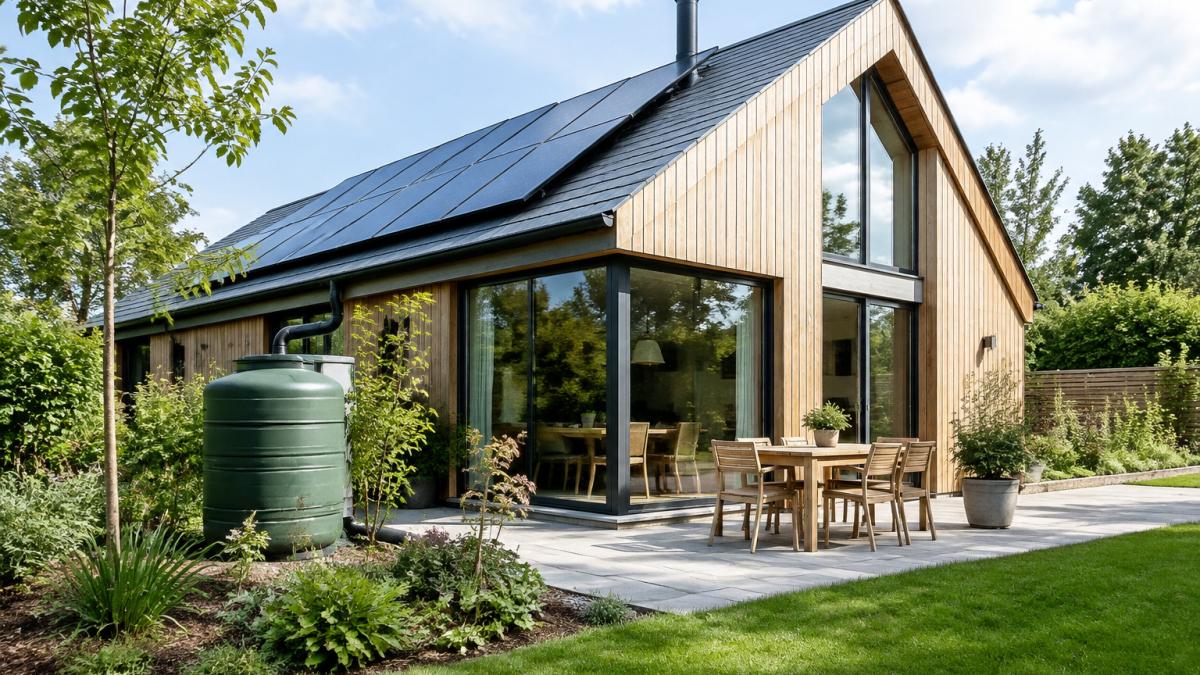
Financing a Non-Standard or Eco Build
Tax and construction type are finance decisions, not just build decisions. Confirm the Council Tax and VAT position before design, and secure a specialist lender and structural warranty before you commit to a non-standard specification.
Book a Feasibility Review Before You Apply for Finance
The Royal Institution of Chartered Surveyors publishes useful guidance on commissioning professional advice before committing to a project.
Frequently Asked Questions
Can I get a loan for a home extension?
Yes. The main routes are additional mortgage borrowing, remortgaging, a secured loan or an unsecured personal loan. Lenders will run an affordability assessment and check your credit score, and secured options are tied to your property. Compare the APR and total cost of credit across each option rather than the headline rate, and get quotes before committing to a build programme.
Is it better to remortgage or get a loan for an extension?
It depends on your loan-to-value ratio and repayment term. Remortgaging usually offers a lower interest rate over a longer term, which suits larger builds, but you may pay early repayment charges and arrangement fees. A personal loan is quicker and unsecured but typically costs more each month. A secured loan sits between the two. Speak to a mortgage lender or broker about your borrowing capacity before deciding.
What are the hidden costs of a home extension project?
Common extras include architect fees, structural engineering, building regulations application fees, planning permission fees, party wall agreements and site surveys. Builders' quotes often exclude kitchens, flooring and landscaping. A contingency fund of around 10 to 15 per cent of the build cost covers unexpected structural work or material price rises. Ask your architect to list every fee upfront so nothing appears halfway through.
Do I need planning permission for a home extension?
Many single-storey extensions fall under permitted development, but limits on depth, height and proximity to boundaries apply, and conservation areas or listed buildings change the rules. A lawful development certificate confirms your position. Building regulations approval is separate and always required. An architect can check your property against local planning policy before you spend on drawings or finance.
The challenge is not finding a lender; it is knowing what you are borrowing for. A measured feasibility review from Sd Architecture gives you a cost plan, planning strategy and building regulations route in one place, backed by site supervision and paperwork management from concept to turn-key delivery. Get started with Sd Architecture and finance your extension against a number you can trust.


Comments